5 Effective Anxiety Management Techniques That Work in Real Life

mood and anxiety

If you’re reading this, chances are you’re familiar with that racing heart, the spiral of worried thoughts, and the feeling that your mind just won’t shut off. Anxiety doesn’t politely wait until you have time to deal with it – it shows up during work presentations, family dinners, and at 3 AM when you desperately need sleep.

The good news? Effective anxiety management techniques exist that don’t require meditation retreats or complicated protocols.

As someone who’s navigated both personal anxiety and worked with hundreds of clients on stress reduction, I’ve found that practical, science-backed anxiety management techniques make all the difference. The key is finding approaches that fit into your actual life, not some idealized stress-free existence.

Why Traditional Anxiety Advice Often Falls Short

Most anxiety recommendations sound reasonable until you try implementing them in real life:

  • “Just meditate for 30 minutes!” (When exactly?)

  • “Eliminate all caffeine and sugar!” (During deadline week?)

  • “Take a mental health day!” (With what paid time off?)

Effective anxiety management techniques need to work with your existing constraints, not add to your stress by demanding unrealistic lifestyle overhauls. The approaches I’ll share are designed for implementation during actual anxious moments — not just when you already have perfect calm and unlimited time.

💡PARENT TIP Even 30 minutes of screen-free play daily can make a noticeable difference in your child’s behavior and sleep quality. Start small and build from there!

5 Practical Anxiety Management Techniques You Can Start Today

1. Physiological Circuit Breakers

When anxiety hits, your body activates its fight-or-flight response before your conscious mind even registers worry. These physical anxiety management techniques interrupt this cycle at the biological level:

The 4-7-8 Breath Reset
  • Inhale quietly through your nose for 4 counts
  • Hold for 7 counts
  • Exhale completely through your mouth for 8 counts
  • Activates the parasympathetic nervous system — signaling to your body that you’re safe

Cold Temperature Activation
  • Hold something cold (ice cube, cold can, cold water on wrists)
  • Stimulates the vagus nerve, helping regulate stress
  • Keep a cold item accessible at work and home

Progressive Muscle Release
  • Tense and then release each muscle group for 5 seconds, starting from your feet and moving upward
  • Releases physical tension, even subtly in public settings


2. Cognitive Reframing Strategies

Your thought patterns significantly influence your anxiety levels. These techniques help restructure unhelpful thinking:

The 3-3-3 Grounding Exercise
  • Name 3 things you can see
  • Name 3 things you can hear
  • Move 3 parts of your body

The Worry Postponement Method
  • Designate a 15-minute “worry time” daily
  • Note anxious thoughts during the day to revisit later

The Evidence Gathering Approach
  • List actual evidence for and against your feared outcome
  • Brings logic into emotionally-driven anxiety patterns

3. Nutritional and Supplement Support

What you put into your body significantly impacts your anxiety baseline.

Strategic Caffeine Reduction
  • Cut caffeine consumption by half
  • Stop caffeine intake at least 8 hours before bedtime

Blood Sugar Stabilization
  • Eat protein and fat with carbohydrates
  • Example: Apple with almond butter

Evidence-Based Supplements

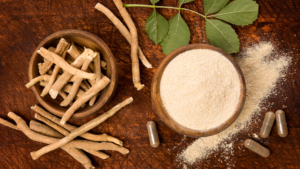
Ashwagandha (Withania somnifera)
This adaptogenic herb helps regulate the body’s stress response system.

When selecting ashwagandha, look for:

  • KSM-66 or Sensoril extracts
  • Root extract rather than leaf
  • Standardized to at least 5% withanolides
  • Includes black pepper extract for better absorption

Top 5 Ashwagandha Brands Worth Considering:
  • Healthful Seasons Ashwagandha with Black Pepper – High-potency KSM-66 with bioperine; third-party tested
  • Pure Encapsulations Ashwagandha – Trusted by healthcare providers; allergen-free
  • Gaia Herbs Ashwagandha Root – Organic, sustainable, liquid phytocapsules
  • Thorne Research Ashwagandha – Includes additional supportive compounds
  • NOW Foods Ashwagandha Extract – Cost-effective without quality compromise

Other Noteworthy Supplements:
  • L-theanine (200–400mg): Promotes relaxed alertness
  • Magnesium glycinate (300–400mg): Supports nervous system function
  • CBD oil (start with 10–25mg): Regulates stress via the endocannabinoid system

Always consult healthcare providers before adding supplements, especially if you take medications or have underlying health conditions.

4. Environmental Anxiety Reducers

Your surroundings significantly impact your stress levels.

The Digital Boundary System
  • Create tech-free zones/times (bedroom, morning, meals)
  • Reduces constant stimulation

Sensory Comfort Kit
  • Include a favorite scent, textured object, soothing music playlist, comforting visual
  • Keep kits accessible at work and home

Clutter Clearing Protocol
  • Identify 3 chaotic visual areas
  • Spend 10 minutes daily decluttering

Visual order helps reduce cortisol (stress hormone)

5. Social Connection Strategies

Human connection powerfully regulates our nervous systems.

The Support Text Template
  • Example: “Feeling anxious right now. No need to solve anything, just letting you know.”
  • Share with 2–3 trusted people

Scheduled Connection Anchors
  • Short regular check-ins, e.g., 10-minute weekly phone call

The Contribution Shift
  • Do a small act of service to redirect attention outward

Activates brain reward centers

✨5 Quick and Easy Ways to Support Screen-Free Play

  1. Designate one drawer or shelf in each room for screen-free activity supplies
  2. Create a “boredom buster” jar with activity ideas written on popsicle sticks
  3. Schedule a screen-free weekend once a month as a family reset
  4. Set up a family charging station away from bedrooms and living areas
  5. Take “before” photos of play spaces to remind yourself mess is part of the process

Implementing Anxiety Management Techniques During Different Life Phases

For High-Pressure Work Periods
  • Use brief breathing exercises between tasks
  • Keep sensory tools at your workstation
  • Prepare healthy snacks
  • Set work communication boundaries

During Major Life Transitions
  • Maintain one familiar daily routine
  • Schedule worry time
  • Temporarily increase supplement support
  • Seek additional professional guidance

For Chronic or Severe Anxiety
  • Work with healthcare providers
  • Consider CBT or ACT therapy
  • Explore medications if appropriate

Combine multiple approaches for stronger effect

Measuring Success With Anxiety Management Techniques

Look for progress, not perfection:

  • Reduced recovery time after stress
  • More calm/neutral moments
  • Better sleep
  • Willingness to engage in previously avoided activities

Increased awareness of early anxiety signs

The Bottom Line on Anxiety Management Techniques

Effective anxiety management doesn’t come from perfectly executing complicated protocols.

It comes from consistently applying simple techniques that work with your actual life. The best anxiety management techniques are the ones you’ll actually use – those that:

  • Fit your schedule
  • Align with your preferences
  • Deliver noticeable relief


Anxiety management is a skill. Like any skill, it improves with practice, patience, and self-compassion.

Start with just one or two techniques that resonate most strongly with you, and build your personal toolkit gradually.

Your anxiety doesn’t define you — and with these practical strategies, it doesn’t have to control you either.

RECENT POST